

What Causes Shingle Curling and Cracking in Attica, NY?
Shingle curling and cracking are common roofing issues for many area households, often visible as bends at the edges or splits across the surface. Both problems usually signal that shingles are deteriorating, but the underlying causes can differ.
For homes in Attica, repeated cycles of freezing and thawing play a major role. Moisture gets trapped under or inside shingles, then expands and contracts with temperature swings, stressing the material. Other typical contributors in the area include:
- Aging shingles, particularly those over 15-20 years old
- Poor attic ventilation, causing excess heat buildup below the roof
- Consistent exposure to strong winds and heavy snow loads
- Improper roof installation or low-quality materials
- Accumulation of debris that holds moisture against shingle surfaces
Regular observation—especially after harsh winter weather or extended heat waves—helps spot early signs and address minor issues before they become larger leaks or structural problems.
Are Curling and Cracking Shingles a Serious Risk?
If left unchecked, either curling or cracking can eventually allow water to penetrate beneath shingles, leading to rot or interior leaks. In Attica, where high winds and snow are frequent in winter and spring, damaged shingles may shift, break off, or let in blowing rain.
It’s easy to assume a few curled edges aren’t urgent, but even minor damage can have cumulative long-term impacts:
- Water infiltration into attic insulation, fostering mold growth
- Gradual deterioration of roof decking or supporting structures
- Higher risk of shingle loss during wind events
Prompt attention—even for small areas—often prevents escalating repair needs and protects a home’s value through challenging weather seasons.
How Can Homeowners Identify Problem Areas?
Homeowners can visually check their roofs a few times per year, especially between the severe seasonal changes typical in Attica. Look for:
- Edges of shingles lifting away, especially along eaves or ridges
- Visible splits or crazing (fine cracks) along the surface
- Bald spots where granules have worn away, exposing inner layers
- Discolored or warped patches after melting snow or heavy rain
Binoculars can help scan from the ground if roof access isn’t safe. Spring and fall are ideal times for close inspection, after the stress of snow load or intense summer sun.
What are Practical Next Steps for Minor Damage?
For isolated curling or small cracks, steps can be taken to slow further deterioration and prevent moisture entry.
Simple shingle maintenance might include:
- Gently re-adhering curled edges with roofing cement (applied under shingle tabs, pressed flat, and weighted)
- Replacing select cracked shingles with matching types
- Clearing debris from gutters and valleys to ensure proper drainage
- Monitoring suspect areas after storms or temperature swings
If the damage is patchy and covers a small portion of the roof, these basic efforts can extend the shingle life for several more years before a more extensive repair or replacement becomes necessary.
When Does Shingle Damage Require Broader Attention?
Extensive curling, multiple cracked rows, or widespread granule loss suggest the roof may be near the end of its functional lifespan. In cases where:
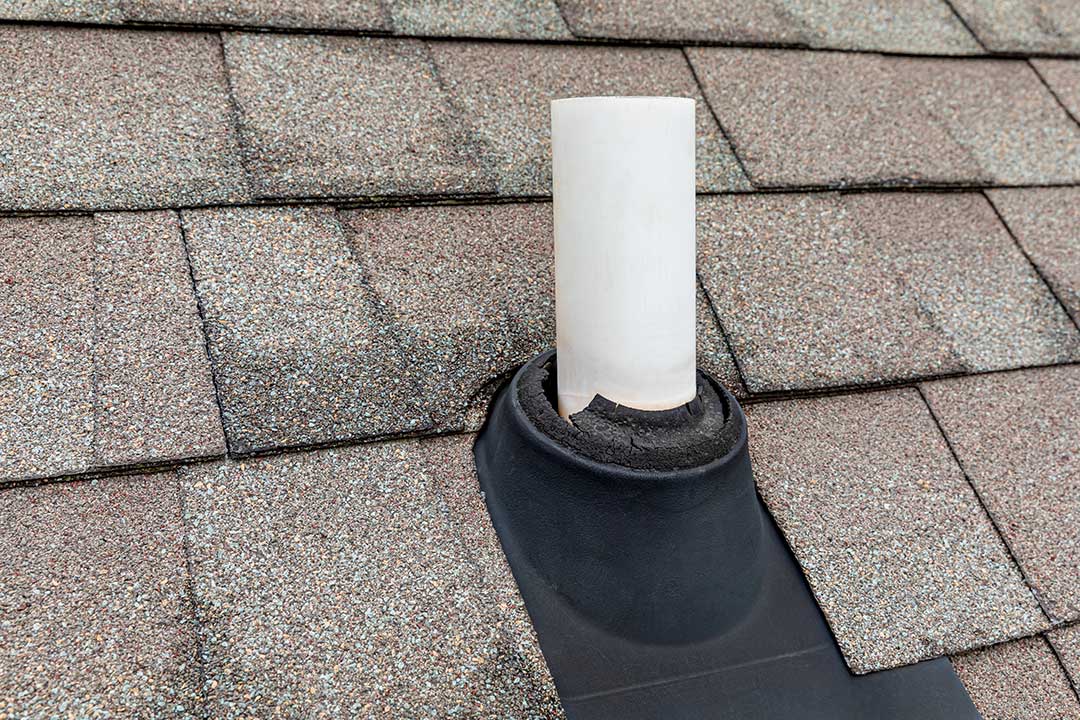
- Curling or cracking is visible across several slope sections
- Water stains are found in attic or upper wall areas
- Shingles feel brittle or break easily under gentle pressure
It’s safer for local residents to avoid walking on the roof, both for personal safety and to prevent further damage to the weakened material. Widespread issues may point to underlying problems, such as poor attic ventilation or subpar installation, that demand more comprehensive solutions.
Can Weather and Environment in Attica Affect Shingle Longevity?
Seasonal patterns in the city add unique challenges to long-term shingle health:
- Intense freeze-thaw cycles accelerate aging in asphalt materials
- Wind-driven rain or snow can force moisture under loose shingles
- Heavy summer storms may knock granules loose or lift tabs
Local homes with open exposures, older attics lacking modern ventilation, or roofs subject to recurring snow buildup are at higher risk. Homeowners who clear snow strategically, manage attic humidity, and watch for early signs minimize the odds of early shingle failure.
Which Misconceptions Lead to Overlooked Problems?
A common misunderstanding is that dark streaks or minor curling are purely cosmetic. In reality, both can mark early stages of moisture problems.
Another local myth: colder winters are less damaging because “everything stays frozen.” In fact, the most harm often occurs during repeated thawing, when meltwater repeatedly seeps under edges or refreezes at night.
Sometimes, homeowners assume new roofs are immune to curling or cracking. However, poor installation practices—such as insufficient nailing or improper underlayment—can trigger early issues in any home, regardless of age.
Preventative Tips for Area Residents
Preventing curling and cracking is often more straightforward than extensive repair. Attica homeowners can support roof life by:
- Maintaining clear gutters and well-ventilated attics
- Removing overhanging branches that shade or drip onto rooftops
- Checking for proper insulation beneath the roof decking
- Observing after each season for any warping or visible cracks
Address small problems promptly and with care, using weather-appropriate materials and techniques suited for the local climate.
