
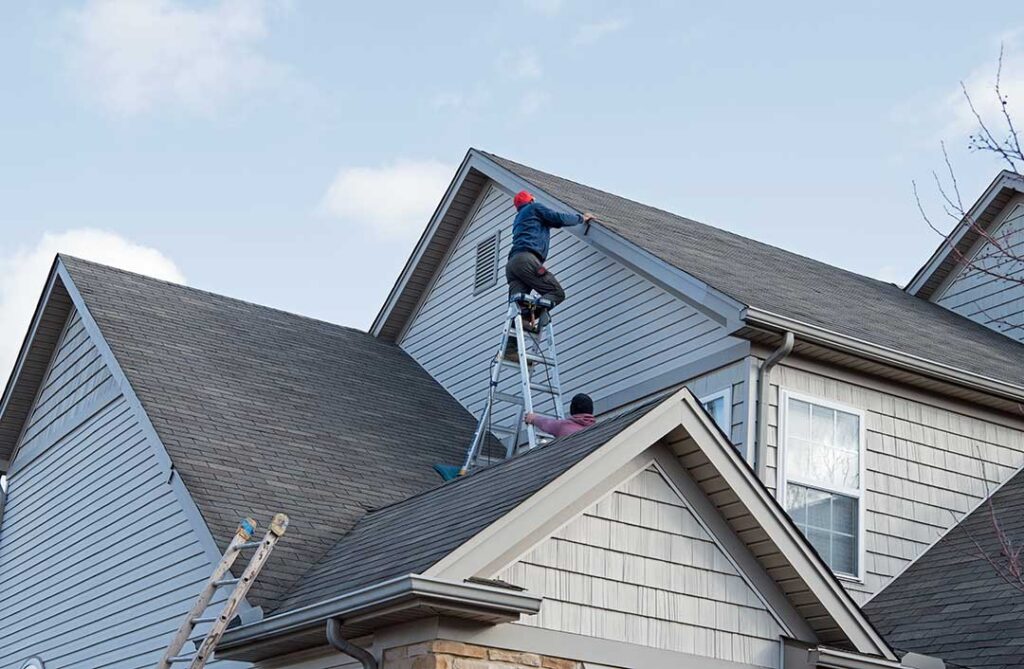
What Should Attica, NY Residents Look for After a Storm?
After heavy winds, hail, or rainstorms, area households should inspect their roof to spot early signs of damage. Missing or displaced shingles, dark patches, dented flashing, and obvious leaks are all warning signs. Take a careful walk around your home, noting any debris or visible changes to your rooftop from the ground before attempting closer inspection.
Is It Safe to Check the Roof Yourself?
For most pitched roofs in Attica, it’s safest to begin with a ground-level inspection using binoculars, especially after icy or wet conditions. Never climb onto a wet or snow-dusted roof. Homes with low slopes or single stories may allow a closer look from a sturdy ladder, but only if conditions are dry and stable. If structural damage is visible or electrical hazards are suspected, limit yourself to exterior observations until issues are addressed.
Which Roof Problems Are Most Common Locally After a Storm?
In Attica, asphalt shingle roofs are prevalent and can be disrupted by high winds, hail, and flying debris. The most frequent storm-related issues include:
- Shingles blown off, bent, or curled at the edges—more likely on older roofs
- Granule loss, leaving bare, dark spots, especially where hail has struck
- Damaged or absent flashing around chimneys, skylights, and roof vents
Because winter storms sometimes lead to ice dams in the community, water stains or bubbling paint in attics and top-floor ceilings can also be indicators of hidden water entry points.
How Can Homeowners Tell If Minor Damage Needs Immediate Repair?
If just a few shingles are missing but the underlying waterproof barrier remains intact, repairs can sometimes wait a few days. However:
- Any spots where plywood decking is exposed require urgent attention
- Water actively leaking inside, even slow drips, should never be ignored
- Neighbors’ reports of severe regional hail or high winds tend to mean widespread, urgent issues in the same block
Small cracks or loose shingles risk growing into leaks, especially with Attica’s frequent freeze-thaw cycles.
Are Certain Roof Materials More Vulnerable During Local Storms?
Asphalt shingles, the most common material in the area, are vulnerable to wind and hail but are also easy to inspect visually. Standing seam metal roofs fare better against wind but can sustain denting from hail. Wood shakes are less common but prone to splitting.
Spot signs like:
- Shingle granules collecting in gutters after hail
- Dents on metal roofs or exposed metal flashing
- Debris trapped along roof valleys and drainage areas, which can slow melting snow
Outbuildings and garages with older or unsafe roofing can suffer more extensive damage that goes unnoticed until the next storm.
Which Overlooked Areas Should Residents Check?
While it’s natural to focus on shingles, some roof issues start at seams and intersections. Residents often overlook:
- Eaves and soffits—look for sagging, loose boards, or icicle formation that points to clogged gutters
- Gutter systems—ensure gutters are securely attached and that downspouts direct water away from foundations
- Vent pipes and attic fans—cracked seals may allow water intrusion
- Interior attic spaces—inspect for damp insulation, staining, or musty odors

Pay attention after multi-directional winds; damage may appear in unexpected corners or on sheltered sides.
What Local Weather Patterns Affect Roof Inspections?
Attica’s seasonal mix of snow, ice, wind, and summer thunderstorms shapes what to check for:
- After ice storms, watch for icicles forming at edges—this may suggest clogged or overwhelmed gutters.
- Following hail, inspect not only the roof but also vehicles and siding for matching dents, since large hail rarely targets only one surface.
- High winds may blow debris onto rooftops, causing punctures or treating flashing and vents like loose panels—always remove downed branches promptly to prevent ongoing abrasion.
Are Any Local Regulations or Safety Considerations in Play?
Area property insurance often requires claims to be made within a set timeframe following storm events. Take dated photos of all suspected damage. While the city does not require immediate city permits for temporary tarping or emergency weatherproofing, larger repairs do fall under local building code. For residents of multi-family dwellings, notify building management promptly if common roofs cover multiple units and issues could affect others.
What’s the Best Way to Document Damage for Repairs or Insurance?
Use a smartphone to take wide shots and close-ups of all visible signs, both outdoors and in the attic space. If safe, include:
- Images of damaged shingles, flashing, and gutters
- Water stains, drips, or affected drywall inside
- Debris or displaced materials on the roof or around the property
Keep a record of the date and time, especially if further weather is expected or if repairs may be delayed.
What Are Common Mistakes During a Post-Storm Roof Check?
Many residents overlook early attic inspections, assume that minor damage is harmless, or fail to photograph damage before temporary repairs begin. Others attempt repairs on unstable or icy roofs, which can be hazardous even for routine maintenance. It’s also common to check only the windward side of the house, overlooking shaded corners or roof valleys where damage accumulates gradually.
By methodically inspecting both the exterior of the roof and the interior attic space after each major storm, the community can often prevent minor roof damage in Attica from turning into larger, more costly problems.
