
How Does Roof Color Impact Homes in Attica, NY?
Roof color has a real effect on both the appearance and performance of homes in Attica, NY. Beyond curb appeal, the right shade can influence indoor comfort, energy costs, and even your property's resale value. In a community that experiences all four seasons—with hot summers, snowy winters, and dramatic transitions—residents need to consider more than just aesthetics when selecting a color for their roof.
Why Is Roof Color More Than Just a Style Choice?
Choosing a roof color is not only about matching the siding or mimicking homes seen elsewhere. Color selection affects:
- The way a home blends with its surroundings, especially in neighborhoods with mature trees and mixed architectural styles.
- Heat absorption and snow melt, especially given Attica’s warm summers and cold, snowy winters.
- Long-term satisfaction; roof colors are visible for decades after installation.
What Roof Colors Work Well with Attica’s Seasonal Weather?
Lighter colors, like pale grays or soft earth tones, tend to reflect sunlight and reduce attic temperatures during warm Attica summers. Conversely, darker shades, such as deep browns or classic black, absorb more heat—which can help melt snow and ice a bit faster in winter but may contribute to warmer upstairs rooms during hot spells.
A practical approach is to:
- Consider light to medium shades for homes with little shade in summer, to lower cooling costs.
- Use deeper hues on homes situated in areas with natural shade or when faster winter snow melt is desired.
Keep in mind that color is just one factor; insulation, ventilation, and roof design also play substantial roles in how well a home handles seasonal extremes.
Which Roof Colors Complement Local Architectural Styles?
Many homes in Attica feature traditional styles—farmhouses, Craftsman bungalows, ranch houses, and split-levels. Each can be enhanced by a thoughtful roof color choice.
- Farmhouses look timeless with medium gray, weathered wood tones, or soft greens.
- Brick houses pair well with dark gray, black, or deep green roofs.
- Homes with lighter siding benefit from contrast; for example, a modest tan or cream house might stand out with a medium-brown or charcoal roof.
If there’s any doubt, observing roofing colors on houses throughout the community can provide inspiration and help judge which combinations feel natural for the area.
Do Local HOA or Neighborhood Guidelines Affect Roof Color Choices?
Some neighborhoods near Attica have homeowner associations (HOAs) or community guidelines that restrict the range of allowable roof colors to maintain visual harmony. Residents should:
- Check with their HOA or neighborhood association before making a final decision, especially if visible home modifications require approval.
- Look for any municipal historical district rules if the home is part of such an area, as guidelines may address exterior colors to preserve heritage character.
Ignoring these rules can result in frustration and unplanned expenses if a non-compliant color must be replaced.
How Does Roof Color Influence Energy Efficiency?
Roof color alone does not decide home efficiency, but in Attica’s climate, the difference between light and dark color energy impact is most noticeable during the hottest weeks of summer.
- Lighter roofs can help reduce attic heat gain, potentially easing the burden on air conditioning systems in unshaded homes.
- Darker roofs absorb more sun, which is less beneficial in summer but can encourage snow to melt faster after heavy storms. The effect is helpful only if the house has adequate insulation to prevent heat loss in winter.
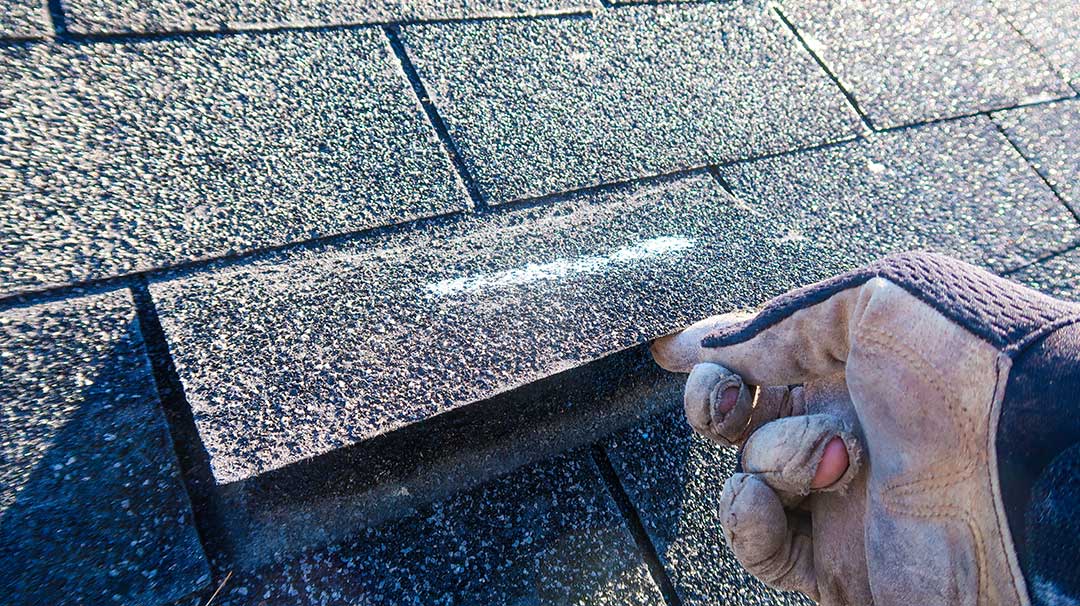
For most area households, picking a roof color that balances both household comfort and visual preference makes sense. If energy efficiency is a primary concern, options like cool roofing materials with reflective granules (regardless of color) are worth considering.
Are There Common Mistakes Residents Make When Choosing Roof Colors?
Several common pitfalls occur when area homeowners choose new roof colors:
- Overlooking how color appears in different lighting; a shade may look radically different in bright sunlight, on cloudy days, or when wet from rain or snow.
- Forgetting that trends shift; what’s fashionable now may appear dated in a decade.
- Neglecting the color of permanent features like brick, stone, window trim, or landscaping.
- Ignoring the rooftops of neighboring homes; dramatically different or clashing shades can impact the neighborhood’s overall look.
- Underestimating the effect of attic ventilation and insulation; attic spaces overly affected by roof color may actually need air sealing or insulation improvement.
A thoughtful, locally aware approach prevents regrets that can last for years.
What Are Practical Steps to Visualize and Test Roof Colors?
Before making a final decision, try the following:
- Gather physical shingle samples to compare against siding, brick, and trim in various lights or weather.
- Use online visualization tools with actual photos of your house to preview color combinations.
- Review how nearby roofs look after a season or two; some colors hide algae or wear better, something especially useful given Attica’s sometimes damp climate.
- If possible, consult with neighbors or local housing experts who are familiar with what works well in the community.
These simple steps can help residents feel confident they won’t encounter unwelcome surprises after the installation.
Can Roof Color Affect a Home’s Resale Value in Attica?
Yes, roof color can contribute to buyer perception and final sale price. Highly unusual or bold colors may deter buyers seeking a move-in-ready home, while classic, well-matched shades tend to attract broader interest. In Attica, most buyers lean toward traditional tones that blend with the landscape and neighboring homes, so sticking to timeless options often supports long-term value.
