

Do Roofs Really Last As Long As Their Warranty Says?
A roof's warranty period can be misleading. While manufacturer warranties for shingles or metal panels may list 20, 30, or even 50 years, this doesn't guarantee that a roof in Attica will last that long under real conditions. Warranties typically cover defects, not general wear, storm damage, or improper installation.
The actual lifespan of roofing in the area is influenced by regular freeze-thaw cycles, windstorms, summer sun, and the historic tree cover of many neighborhoods. In Attica, it's common to see asphalt shingle roofs requiring attention or replacement after 18-25 years if regularly exposed to seasonal extremes, debris, or insufficient ventilation.
Does a New Roof Solve All Leak Problems?
Replacing a roof addresses problems caused by worn, damaged, or leaking shingles and underlayment. However, leaks can also originate from issues elsewhere, such as faulty flashing around chimneys, clogged gutters, poorly sealed skylights, or ventilation pipes.
For Attica homeowners, this means that if a new roof doesn't stop a leak, checking these secondary areas is necessary, especially during the heavy spring rains or snow melt periods. In older homes or those with more complicated rooflines, leak sources are sometimes isolated sections rather than the entire roof.
Are All Roofing Materials Equally Suited for Attica’s Weather?
Not every roofing product holds up the same in the local climate. While some advertisements claim universal durability, factors such as heavy winter snow loads, temperature swings, humidity, and seasonal winds matter.
- Asphalt shingles remain popular for their balance of cost and performance, but their lifespan is reduced by repeated freeze-thaw cycles.
- Metal roofing withstands snow and wind very well and tends to shed ice, but installation quality and underlayment are important to prevent condensation beneath panels.
- Wood shakes, although uncommon, can be vulnerable to moss and moisture if not maintained.
Local building codes also restrict certain types of roofing for fire safety and structural reasons, which sometimes surprises new area residents.
Is “More Insulation” Always Better for the Roof?
Attic insulation is crucial for energy efficiency and preventing ice dams, yet piling in insulation isn't always better. Without balanced attic ventilation, excess insulation can trap moisture from indoor air, leading to attic mold, rotting wood, or even shingle damage.
Homes in Attica often benefit from both insulation and ventilation upgrades. Given the area’s cold winters and humid summers, ensuring attics can “breathe” while staying well-insulated is more effective than focusing on insulation alone.
Do Roofs Only Need Care After a Major Storm?
Many believe roofs only require attention after hail or high winds, but gradual wear plays a bigger role in long-term roof health. Factors like clogged gutters, moss buildup, untrimmed tree branches, and small flashing defects go unnoticed yet can cause significant water issues over time in the region.
Simple seasonal tasks such as:
- Clearing roof valleys and gutters before winter and spring
- Inspecting for animal intrusion after windy periods
- Checking for missing or curled shingles after thaws
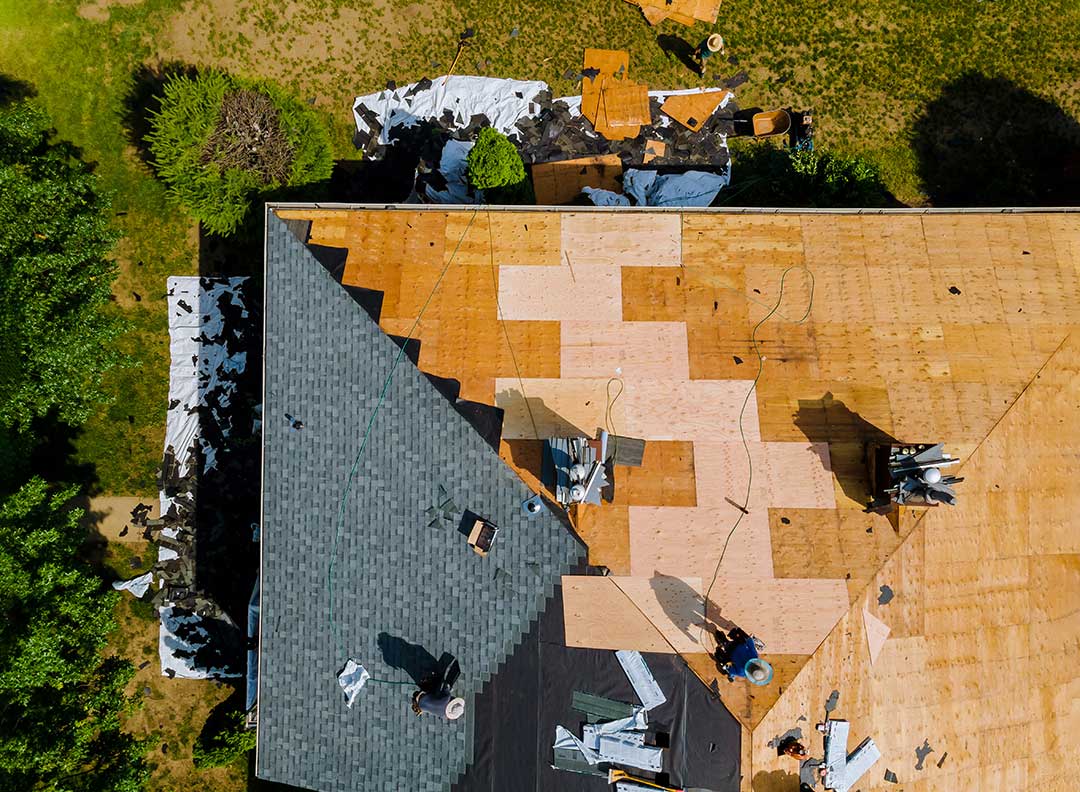
are effective for preventing bigger problems that might not show up until after a significant storm.
Are DIY Repairs a Safe and Reliable Option for Most Homeowners?
Some roof jobs may look simple—like replacing a shingle or patching a minor leak—but roofing work carries hidden safety risks. Steep pitches, slippery moss, and sudden winds make even small repairs hazardous. Additionally, improper DIY fixes can void material warranties or lead to future leaks by disturbing older shingles and underlayment.
Residents should carefully weigh the task’s complexity, the tools required, and roof height/access before attempting repairs. Even if a job seems straightforward, local weather can rapidly turn a small job risky for those without proper safety equipment.
Does a Dark Roof Always Heat Your Home More in Summer?
It's true that darker shingles absorb more sun, but differences in attic ventilation and insulation often matter more for indoor comfort. In Attica, the more pressing concern is how well a roof releases built-up heat and moisture, especially during muggy summers or cold snaps.
Proper roof color matters a bit for summer efficiency, but addressing attic airflow and insulation typically has a much bigger impact on home temperature and even shingle lifespan. Local homes with balanced roof systems perform better, regardless of whether the shingles are dark or light.
Are Annual Inspections Unnecessary If the Roof Looks Fine?
It’s easy to skip professional or DIY inspections if the roof appears undamaged. However, many underlying problems develop slowly—like flashing rust, shingle granule loss, or minor rot at the eaves—before they become visible from the ground.
Inspecting the roof after winter snow melt, summer storms, and heavy leaf fall is especially wise in Attica’s climate. Catching early signs of trouble prevents more expensive repairs or replacements down the road, particularly in homes with older ventilation, multiple roof layers, or overhanging trees common in the area.
