

How Does Sun Exposure Affect a Roof?
Direct sun exposure gradually changes nearly every type of roofing material found in Attica, NY. Strong summer sunlight, along with the shifting angle and intensity through the year, can cause roofs to heat up much faster than ground-level surfaces. Over time, this constant heat and UV radiation breaks down roofing materials, shortens their lifespan, and may lead to visible or hidden damage even if the rooftop looks fine from the ground.
What Happens to Different Roofing Materials in the Sun?
Every roof in the community faces some effect from the sun, but how noticeable or severe the impact is depends heavily on what type of material covers the home:
- Asphalt shingles: The most common roofing material in the area, asphalt shingles gradually lose their flexibility, color, and protective granules after years of UV exposure. At first, granules may wash off after rain or gather in gutters. As the underlying asphalt dries and becomes brittle, cracks, curling, and small leaks may start to appear, especially on slopes facing south or west.
- Metal roofing: Metal holds up better under UV, but repeated heating and cooling cycles can cause thermal expansion. This might loosen fasteners or cause warping where panels aren’t installed with enough allowance for movement.
- Wood shakes: Sunlight bleaches the wood, dries it out, and can lead to splitting or surface erosion. Preservative treatments help, but aren’t permanent.
- Slate or clay tiles: Natural stone and clay resist UV better than most materials, but harsh sunlight can sometimes accelerate surface weathering and cause minor chipping, especially in areas with frequent freeze-thaw cycles when paired with sun exposure.
Does Sun Exposure Make Roofs Hotter and Affect Attic Temperatures?
Yes, sunlight significantly heats up both the surface and undersides of roofs during long summer days. Even on cool but sunny days in Attica, rooftop surfaces can reach temperatures far higher than the outdoor air. Dark-colored roofs absorb more heat, causing attic spaces to become hotter unless insulation and ventilation are working as intended.
High attic temperatures can:
- Increase cooling costs for air-conditioned homes
- Make unfinished attics uncomfortable or unsafe during midday
- Accelerate the breakdown of roof materials from below as well as above
Local families often don’t notice this connection until energy bills rise or upper rooms feel far warmer than lower floors.
How Does Sun Exposure Differ Across Seasons?
Sunlight affects roofs every day, but the amount of damage depends on sun angle, day length, and weather. In Attica, peak roof temperatures typically occur between late May and September when the sun is highest, and days are longest. UV remains strong even during cooler months, as clear winter days can still promote slow material breakdown over time.
Winter can bring hidden challenges — after a sunny day, quick temperature drops in the evening may cause roof materials that expanded and softened to suddenly contract. This constant cycle of expansion and contraction can increase the risk of cracks or shingles loosening over many years.
Can Sun Exposure Cause Leaks or Structural Issues?
Over time, constant sunlight degrades waterproofing features on most roofs. Cracked, curling, or missing shingles make it easier for water to penetrate during rain or melting snow. UV-damaged sealants around chimneys, skylights, and vents can shrink or split, letting water seep through small gaps.
Visible leaks often appear in rooms beneath the sunniest sections of a roof, typically upper bedrooms or hallways. Left unaddressed, small leaks from UV damage can lead to wood rot in attics or on roof decking, which may eventually require significant repairs.
What Signs of Sun Damage Should Residents Look For?
Area households can spot early sun damage by looking for:
- Faded patches or uneven color changes, especially on south- and west-facing slopes
- Asphalt shingle granules collecting in gutters or at the bottom of downspouts
- Curling or cracked shingles and noticeable gaps between them
- Brittle roofing material that breaks easily when touched (with caution, from a safe vantage point)
- Warped or loose metal panels, particularly around fasteners
- Changes in attic temperature or signs of daylight visible from within the attic (indicating cracks or holes)
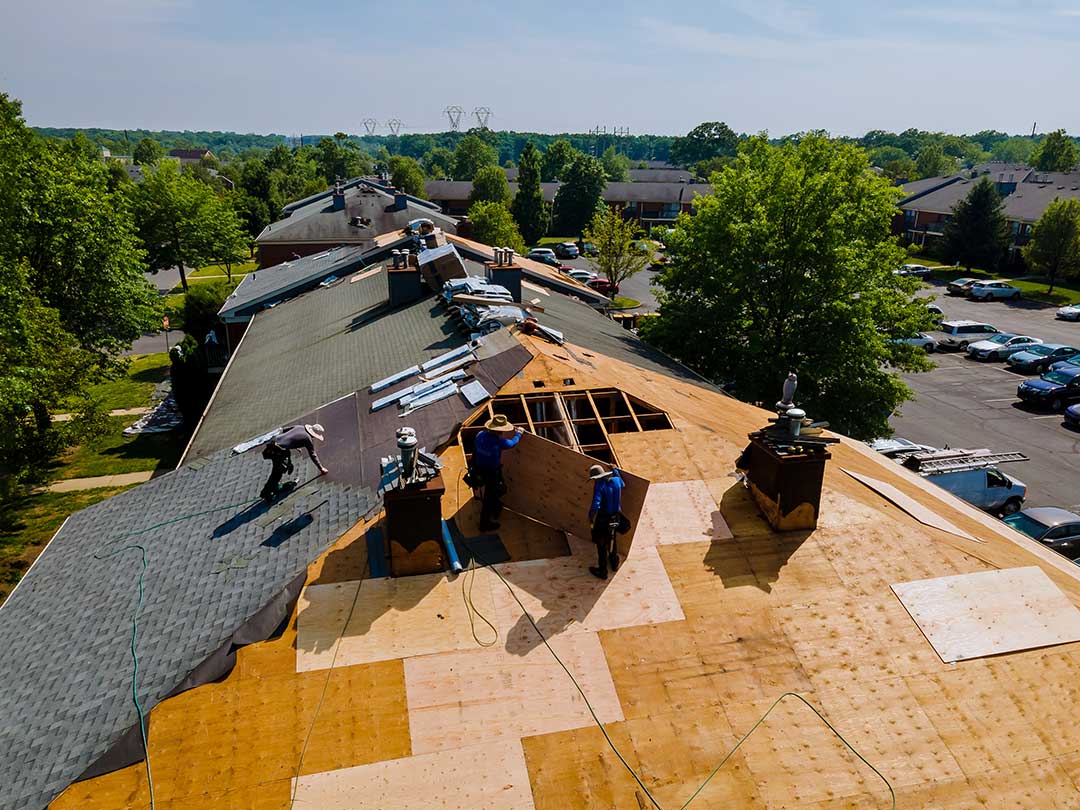
Routine visual checks from the ground and watching for seasonal trends in attic warmth help catch roof issues before they turn serious.
Are There Local Factors that Change How Sun Impacts Roofs?
Attica’s four-season climate means rooftops face not only year-round sun but also the stresses of snow loads, freeze-thaw cycling, and swift temperature swings. Homes surrounded by mature trees may see less direct sun on shaded sections, which can slow sun damage but may also bring issues like moss growth or poor drying after storms.
Newer housing developments with less tree cover, or homes in wide-open rural stretches, receive more direct UV exposure all year. Roof pitch and orientation also matter — steeper roofs facing south get some of the strongest sun, along with ice damming risks in winter.
How Can Roofs Be Protected from Sun Damage?
There is no way to completely eliminate the sun’s impact, but some practical measures can slow the process in Attica:
- Using lighter-colored roofing materials to reflect more sunlight and absorb less heat
- Ensuring attic insulation and ventilation are adequate to reduce heat buildup beneath the roof
- Choosing UV-resistant coatings or products rated for regional weather conditions
- Maintaining nearby trees for natural shade (without letting branches touch the roof)
- Inspecting the roof and attic periodically for early warning signs, especially after heat waves or very sunny stretches
Consistent care and awareness go a long way in helping local roofs stand up to many years of sun exposure and the unique blend of local weather patterns.
