
Choosing a roofing contractor is less about finding the lowest price and more about confirming that the contractor understands the building, the roofing system, and the conditions it must withstand. For homeowners in Attica, NY, that includes snow, ice, freeze-thaw cycles, wind, heavy rain, and seasonal moisture.
A reliable decision usually comes from comparing documentation, communication, proposed work, and contract details rather than relying on advertising or a single recommendation.
What should be checked before comparing prices?
Before requesting proposals, identify the roofing problem as clearly as possible. A roof may need a minor repair, localized replacement, ventilation work, flashing correction, or complete replacement. Those are different projects with different risks and costs.
Look for visible clues such as:
- Missing, cracked, curling, or lifted shingles
- Dark areas, soft decking, or sagging roof lines
- Water stains on ceilings or upper walls
- Damaged metal around chimneys, vents, skylights, or roof edges
- Excessive granules in gutters
- Ice-dam staining or recurring winter leaks
- Attic moisture, frost, mold-like odors, or poor airflow
A homeowner does not need to diagnose the entire roof. However, photographs, leak locations, the approximate age of the roof, and records of previous repairs can help contractors prepare more accurate proposals.
If the roof is actively leaking, temporary protection may be necessary before a full evaluation. Interior staining can appear far from the actual entry point because water may travel along rafters, insulation, or roof decking.
How can residents verify that a contractor is legitimate?
A contractor should be willing to provide basic business and insurance information before work begins. The exact requirements can depend on the type and location of the project, so residents should verify applicable local and state rules rather than relying only on verbal assurances.
Useful documentation may include:
- A written business name and physical mailing address
- Proof of liability insurance
- Workers’ compensation coverage when employees are involved
- Any licenses, registrations, or permits required for the work
- References for comparable roofing projects
- A written warranty explanation
- A clear method for handling changes or unexpected damage
Insurance should be current and appropriate for roofing work. A certificate supplied directly by an insurer is more dependable than an informal statement that the contractor is “covered.”
It is also reasonable to ask who will perform the work. Some contractors use their own crews, while others rely heavily on subcontractors. That arrangement is not automatically a problem, but the contract should identify who is responsible for supervision, safety, cleanup, and warranty obligations.
What should a roofing proposal include?
A useful proposal should describe the work in enough detail that two homeowners could understand what is being compared. A price by itself does not show whether the project includes proper preparation or whether important items have been excluded.
The written scope should address:
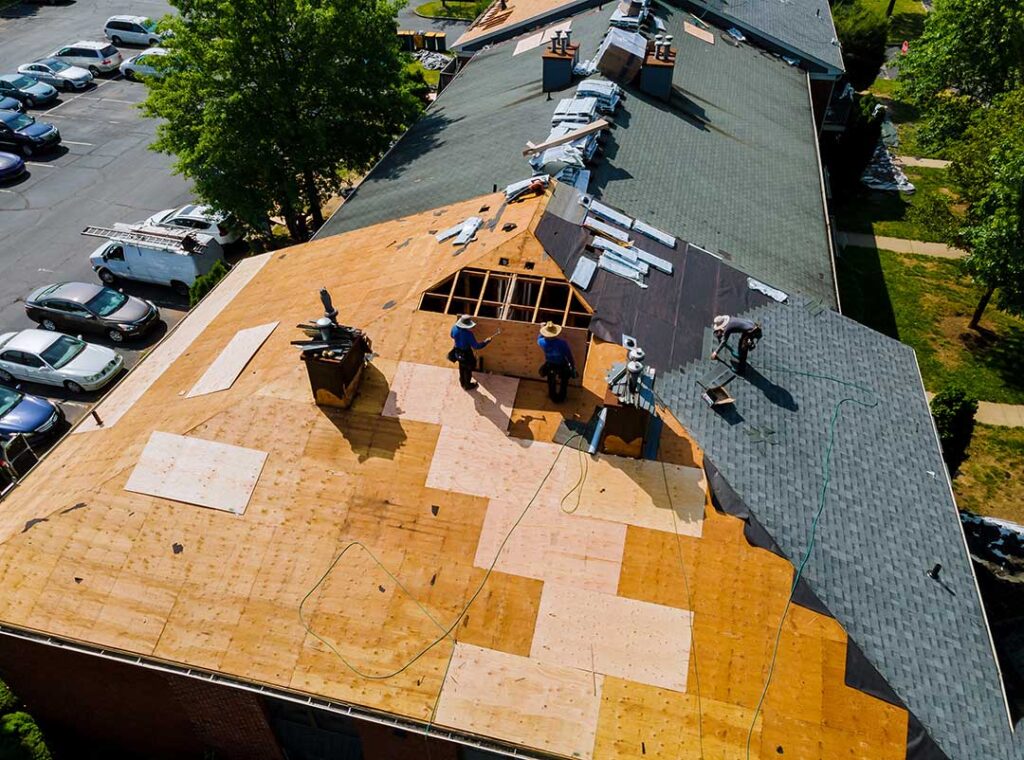
- Removal and disposal of existing roofing materials
- Inspection and possible replacement of damaged roof decking
- Underlayment and water-shedding details
- Shingles or other roofing materials, including product specifications
- Drip edge, flashing, valleys, vents, and pipe penetrations
- Ice-barrier treatment where appropriate for local conditions
- Ventilation changes or confirmation that existing ventilation is adequate
- Protection of siding, landscaping, driveways, and outdoor equipment
- Daily cleanup and final magnetic removal of stray fasteners
- Start and expected completion conditions
- Payment schedule and cancellation terms
- Procedures for concealed damage or requested changes
A proposal that says only “replace roof” leaves too many questions unanswered. The lowest initial price can become more expensive if essential materials, decking repairs, flashing, or disposal are treated as extra work.
How should roofing contractors be compared fairly?
Compare proposals line by line instead of comparing only the total. The most useful comparison considers scope, materials, labor, supervision, warranty terms, and the contractor’s approach to uncertain conditions.
Questions worth asking include:
1. What exactly is included in removal and disposal?
2. How will damaged decking be identified and priced?
3. Are flashing and ventilation being replaced, repaired, or reused?
4. What type of underlayment and ice-barrier protection is included?
5. Who will inspect the completed work?
6. How will rain, snow, or high winds affect the schedule?
7. What happens if the project reveals hidden moisture or structural damage?
8. Is the workmanship warranty separate from the manufacturer’s material warranty?
9. Who is responsible if a leak returns after the project?
10. What payment is due before materials arrive, during installation, and at completion?
A contractor who explains limitations clearly is often more trustworthy than one who promises that every roof can be completed immediately under any conditions. Roofing is weather-dependent, and proper installation requires dry, safe working conditions.
What local conditions should a contractor understand?
Roofing in Attica, NY must account for repeated freeze-thaw cycles, winter snow, ice formation, wind exposure, and spring or summer storms. These conditions affect more than the visible shingles.
Water-shedding details deserve particular attention. Valleys, eaves, roof-to-wall intersections, chimneys, plumbing penetrations, and areas around vents are common points of trouble. A roof can have sound shingles and still leak because flashing is poorly installed or has deteriorated.
Ventilation also requires careful evaluation. More ventilation is not automatically better. Intake and exhaust openings should work as a system, and adding an exhaust vent without adequate intake air can produce disappointing results. Poorly balanced ventilation may also contribute to attic moisture or winter condensation.
Older homes can contain several layers of repairs or modifications. A contractor should explain whether existing materials can remain, must be removed, or require further investigation. Hidden deterioration around eaves and penetrations is more significant than ordinary surface wear because it may affect the roof’s supporting materials.
Are online reviews and referrals enough?
Reviews and referrals can identify patterns, but they should not replace documentation. A positive recommendation may reflect good communication or a pleasant experience, while another homeowner may have had different roof materials, weather conditions, or project complexity.
Look for consistent information across several sources:
- Whether the contractor communicates in writing
- Whether the company follows through on stated timelines
- Whether cleanup is handled properly
- Whether warranty issues receive a response
- Whether complaints involve unresolved leaks, property damage, or unexpected charges
Be cautious with reviews that make broad claims but provide no project details. Also be cautious if all available feedback is extremely recent, repetitive, or unrelated to roofing work.
What warning signs deserve attention?
Certain practices should prompt extra caution:
- Pressure to sign immediately
- A large cash deposit with little written documentation
- Refusal to provide insurance information
- A proposal with no material or labor details
- Requests to let the contractor decide the final price after work begins
- Unexplained differences between a verbal promise and the written contract
- Claims that permits, inspections, or safety rules never apply
- A contractor who cannot explain who will perform the work
- Payment demands for the entire project before work starts
Storm-related damage can create urgency, but urgency should not eliminate basic verification. A temporary leak-control measure may be appropriate while proposals and documentation are reviewed.
When is a roofing contractor required for safety?
Roofing work involves ladders, steep surfaces, fall hazards, heavy materials, cutting tools, and hidden structural damage. Professional assistance is especially appropriate when the roof is steep, wet, icy, deteriorated, or difficult to access; when decking or framing may be damaged; or when the work requires permits, specialized equipment, or repairs near electrical components.
Homeowners may be able to handle limited maintenance such as observing attic conditions from a safe location or keeping gutters clear from the ground. Walking on a roof to investigate a leak is not a safe substitute for a proper inspection.
The strongest contractor choice is usually the one that provides a clear scope, verifiable insurance, realistic scheduling, transparent pricing, and a written explanation of how the roof will be protected from local weather conditions. That information allows residents to judge the work on substance rather than sales pressure.
