
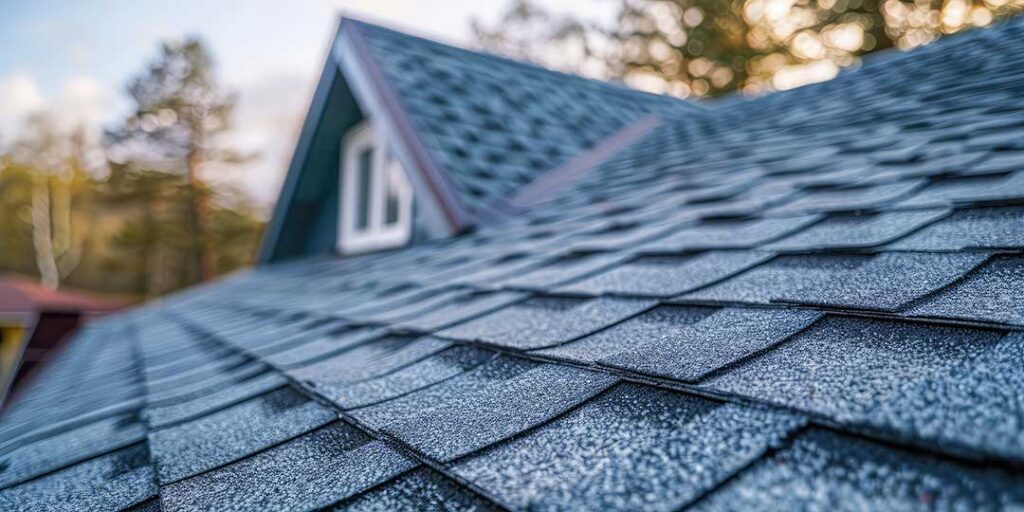
What Does "Roof Pitch" Actually Mean?
Roof pitch is a term used to describe how steep or shallow a roof is. More specifically, it measures the angle or slope of a roof compared to its horizontal span. In practical terms, it’s usually given as a ratio, like 4:12, which means the roof rises 4 inches for every 12 inches of horizontal distance.
In Attica, NY, local homes feature a wide range of roof designs, from steep gables on older farmhouses to low-slope ranch style homes. Understanding the pitch of your roof is essential for everything from replacement planning to yard maintenance or even hanging seasonal decorations.
Why Does Roof Pitch Matter for Homes in Attica?
Roof pitch has a direct effect on how well a roof handles the common challenges brought by the local climate.
- Efficient Water and Snow Runoff: Steeper roofs shed rain and melting snow more efficiently. This helps prevent leaks, reduces the risk of ice damming in winter, and limits the build-up of heavy snow loads—both important issues in Attica where winters can be snowy and wet.
- Material Suitability: Not all roofing materials perform equally on every pitch. Materials like asphalt shingles generally require a steeper minimum pitch, while metal or rubber roofs can sometimes be installed on flatter surfaces.
- Longevity and Maintenance: Steep roofs usually last longer because water runs off quickly, while flatter roofs may need more maintenance due to potential pooling or debris buildup from the many mature trees in the area.
How Is Roof Pitch Measured?
There are several ways to determine the pitch of a roof, but the most common method is measuring the vertical rise over a fixed horizontal run. For example:
- If a roof rises 6 inches for every 12 inches of run, it’s called a 6:12 pitch.
Some Attica residents use a simple level and tape measure in the attic or on the roof edge (with proper safety precautions). A few key things to remember:
- Use a horizontal 12-inch measurement as a standard
- The higher the first number (rise), the steeper the roof
Roofing professionals use tools like a pitch gauge or a smartphone app, but for DIY checks a sturdy level, ruler, and basic math usually suffice.
What Pitch Is Most Common in Attica?
Attica homes display a range of roof styles shaped by local tradition, weather, and era of construction. The most prevalent:
- Medium Pitches (4:12 to 6:12): Very common in single-family homes built in the postwar period; these roofs offer a good balance of runoff, attic space, and affordability.
- High Pitches (7:12 and above): Often found on older Victorians and historic farmhouses; popular for their classic look and superior snow management.
- Low Slopes (2:12 to 3:12): Limited mostly to porches, sheds, garages, and some modern additions where a minimal profile is desired.
Within the community, steep pitches are favored for structures prone to drifting snow, while gentler slopes appear more often on attached garages and sunrooms.
How Does Roof Pitch Affect Everyday Life for Local Residents?
The angle of your roof influences many practical aspects:
- Snow Removal: Steep roofs tend to drop snow quickly, reducing the need for manual clearing. Flatter roofs in Attica might require more vigilance after heavy storms to avoid overloading.
- Gutter Cleaning: High-pitch roofs can make gutter cleaning more challenging and may require extra caution, especially in autumn when local trees drop leaves.
- Attic Space: Steeper roofs usually allow for larger attics or loft spaces, which many area homes use for storage or expansion.
- Energy Efficiency: The attic space and design resulting from roof pitch can impact ventilation and insulation needs, which affect heating costs—a practical consideration for cold Attica winters.
What Are Some Common Misconceptions About Roof Pitch?
Misunderstandings are common, even among longtime homeowners. Here are a few to watch out for:
- Higher Pitch Always Means Better Performance: While steeper roofs are better at shedding moisture, they can be more expensive and are not always necessary for every structure.
- Flat Roofs Can’t Work in This Climate: Flat or low-slope roofs can be appropriate for smaller additions or certain modern designs, provided proper materials and drainage are used.
- Every Material Works on Every Pitch: Some materials, like traditional asphalt shingles, should not be used on low-slope surfaces due to leak risks. Always check manufacturer recommendations based on pitch.
What Should Homeowners Consider Before Changing Roof Design?
Planning a renovation or addition in Attica often means deciding if an existing roof pitch should be kept the same or changed. Considerations include:
- Compatibility with Existing Structures: Drastic changes in pitch can require significant structural work.
- Zoning and Code Compliance: Local building codes may set minimum pitch requirements for certain roof types, especially in snowy regions.
- Neighboring Home Styles: Rooflines that match the character of surrounding homes often have better curb appeal and neighborhood acceptance.
Checking with the city building office about local codes before starting major changes is always smart.
Can Roof Pitch Influence Insurance or Long-Term Costs?
Yes, the steepness of your roof can affect insurance premiums and long-term maintenance budgets:
- Snow Load Risks: Flat or low-slope roofs sometimes bring higher insurance costs due to increased risk of collapse under heavy snow.
- Maintenance: Steeper roofs may cost more to repair due to access difficulty, while flat roofs need more frequent checks for pooling water.
- Premium Discounts: Some insurers recognize certain pitches as less risky, which can translate to savings for area households.
What Happens If Roof Pitch Is Ignored?
If roof pitch is overlooked during repairs or upgrades, homeowners may unwittingly select incompatible materials or create drainage problems. In Attica, that can lead to:
- Faster shingle wear and repeated leaks
- Gutter clogs and ice dams
- Costly repairs from structural damage
Ensuring the roof pitch suits the material and local climate offers long-term protection and peace of mind for Attica families.
