
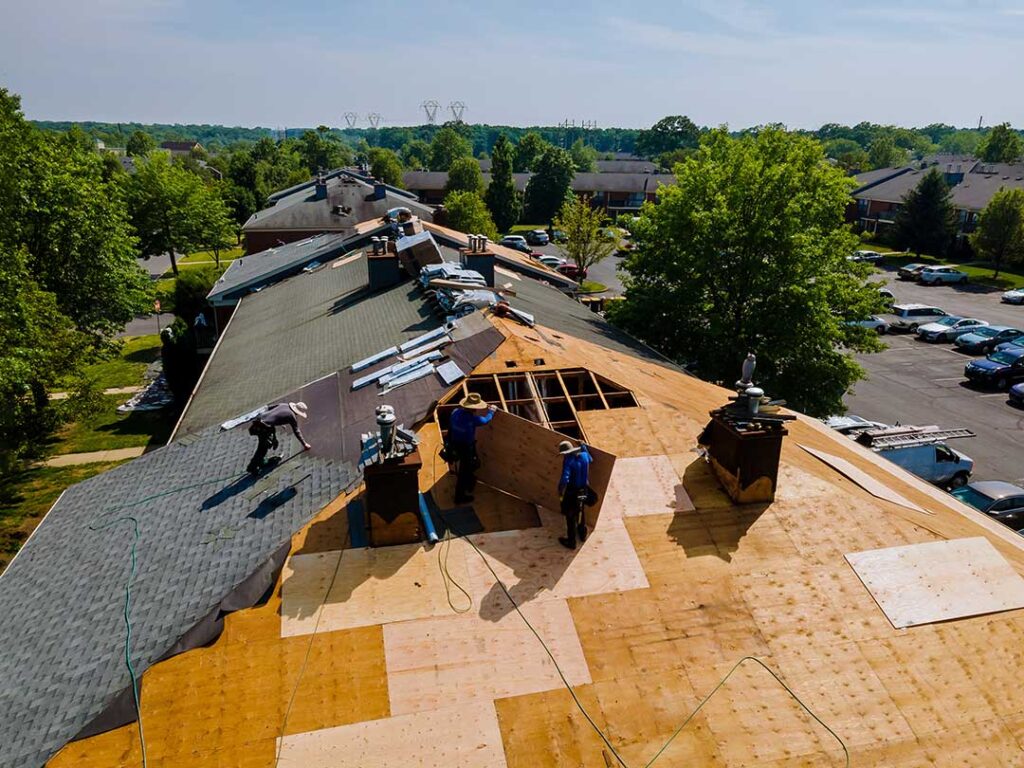
Roof damage rarely stays limited to the original problem. A missing shingle, loose flashing, or small ceiling stain can allow water, wind, and freezing temperatures to affect the roof deck, insulation, walls, and interior finishes. For households in Attica, NY, postponing repairs through several seasons can turn a manageable maintenance issue into a much more complicated building problem.
What happens when a minor roof leak is ignored?
A small leak can spread beyond the spot where water first appears. Roofing materials, attic insulation, wood framing, drywall, and paint may all absorb moisture before a homeowner notices visible damage indoors.
Water does not always travel straight down. It can move along roof decking, rafters, insulation, or electrical components before reaching a ceiling or wall. That means the location of a stain may not identify the original entry point.
Over time, neglected moisture can cause:
- Discolored or sagging ceilings
- Soft or deteriorated roof decking
- Damp attic insulation
- Peeling paint and damaged drywall
- Musty odors
- Mold growth where conditions remain damp
- Corrosion around metal fasteners and electrical components
A leak that appears only during heavy rain may still be causing hidden damage between storms. The absence of an active drip does not necessarily mean the roof has dried completely.
Can winter weather make roof damage worse?
Yes. Freeze-thaw cycles can enlarge small openings in roofing materials and flashing. In a climate with cold winters, snow, ice, wind, and repeated temperature changes, water may enter a crack, freeze, expand, and place additional stress on the surrounding material.
Ice can also collect along roof edges when heat escapes from the living space and melts snow on the upper roof. The resulting water may refreeze near colder eaves or gutters. If the drainage path becomes blocked, water can work beneath roofing materials and reach the roof deck.
Winter conditions create additional concerns:
- Snow adds weight to already weakened areas.
- Ice can pull on gutters, trim, and flashing.
- Strong winds may lift loose shingles or expose underlayment.
- Frozen materials are less flexible and can be more vulnerable during repairs.
- Heavy snow can conceal damaged shingles, punctures, and drainage problems.
Not every roof develops ice-related damage, but deferred repairs leave fewer safeguards when severe weather arrives.
Why are missing or damaged shingles more than a cosmetic issue?
A missing shingle exposes the layers beneath it to sun, rain, wind, and temperature changes. The shingle itself is only one part of the roof system, but it helps protect underlayment and roof decking from direct exposure.
A damaged shingle can also allow wind to reach neighboring shingles. As edges lift or seals weaken, damage may spread across a larger section of the roof. Granule loss, curling, cracking, and exposed fasteners may indicate that the roof is no longer providing consistent protection.
Cosmetic appearance can be misleading. A roof may look acceptable from the ground while having problems around:
- Valleys where roof sections meet
- Chimneys and other penetrations
- Skylights or roof vents
- Edges and eaves
- Areas beneath overhanging trees
- Places where previous repairs were installed
Because these areas handle concentrated water flow or require multiple materials to meet, they deserve careful attention when a leak is suspected.
How can roof neglect affect the rest of the house?
Roof problems can create secondary damage in parts of the home that seem unrelated. Wet insulation loses effectiveness, which can make rooms less comfortable and increase heating or cooling demands. Moisture entering wall cavities may damage framing or create conditions for mold.
Persistent dampness can also affect indoor air quality, particularly when moisture reaches insulation, unfinished attic surfaces, or hidden areas that are difficult to dry. The risk is greater when ventilation is poor or when a leak remains undiscovered for a long period.
Neglected roof repairs may eventually affect:
- Attic ventilation and insulation performance
- Exterior siding and trim
- Interior ceilings and wall finishes
- Hardwood flooring or subflooring beneath a leak
- Stored belongings in attics or upper floors
- Structural wood around roof openings
- Gutters and drainage connections
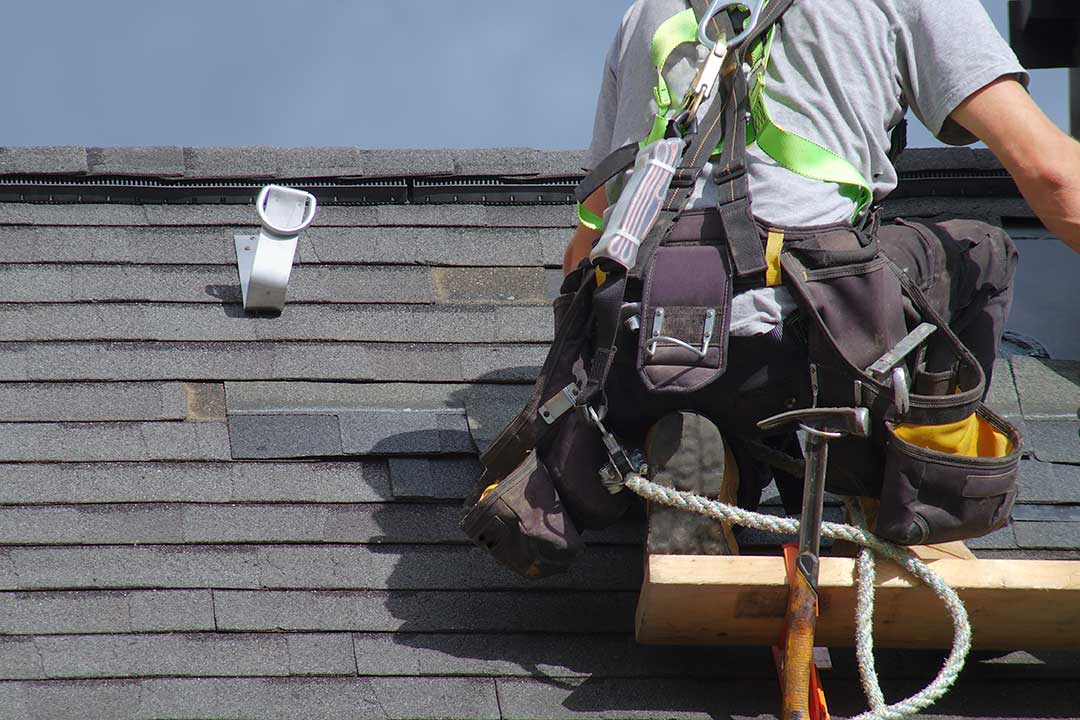
The longer moisture remains present, the more likely it is that repair work will involve several building components instead of the roof covering alone.
What warning signs should residents watch for?
Visible water is an obvious warning sign, but many roof problems begin with less dramatic clues. A periodic inspection from the ground, attic, and upper-floor rooms can help identify changes before damage becomes extensive.
Common signs include:
- New ceiling stains or yellow-brown discoloration
- Peeling paint near upper walls or ceilings
- Damp or compressed attic insulation
- Daylight visible through the roof deck
- Shingles found in the yard after windy weather
- Increasing granules in gutters or downspouts
- Bent, loose, or separated flashing
- Sagging roof lines or ceiling surfaces
- Musty smells after rain
- Water marks around vents, chimneys, or skylights
- Gutters pulling away from the roof edge
A roof does not have to leak every day to require attention. Intermittent staining after storms, melting snow, or wind-driven rain can point to a problem that appears only under specific conditions.
Is a roof leak safe to inspect during bad weather?
No. Walking on a wet, icy, snow-covered, or wind-damaged roof creates a serious fall hazard. Roof surfaces can also hide weak decking, especially near areas affected by long-term moisture.
Residents can inspect safely from the ground with binoculars and can check accessible attic areas only when the space is dry, stable, and safe to enter. Avoid touching wet electrical components, standing beneath sagging ceilings, or entering areas with signs of structural weakness.
If water is near light fixtures, outlets, or wiring, shut off power to the affected area only if doing so can be done safely. Active leaks beneath sagging ceilings or near electrical systems may require urgent attention because ceiling materials can become heavy and unstable.
Does postponing a repair always save money?
Usually not. Delaying a repair may avoid an immediate expense, but it increases the chance that moisture will damage materials beyond the original roofing component. Replacing a shingle or resealing flashing is generally a more limited task than repairing roof decking, insulation, drywall, framing, and interior finishes.
The cost and difficulty of a repair depend on the source of the problem, how long moisture has been present, the condition of the underlying materials, and whether the issue affects a small area or a larger roof section. Early attention does not guarantee that damage will be minor, but it reduces the time water has to travel and accumulate.
What should be done after discovering roof damage?
First, limit interior damage without placing anyone in danger. Move belongings away from the affected area, place a container beneath active drips, and document visible conditions with photographs. Do not climb onto the roof during unsafe weather or attempt temporary repairs with materials that could create additional hazards.
The roof and attic should be checked for the source of entry when conditions are safe. After significant water intrusion, wet insulation and interior materials may need to be dried promptly to reduce the chance of mold and further deterioration.
Seasonal maintenance also helps identify problems earlier. Clearing debris from drainage paths, checking attic moisture, observing shingles after major wind events, and looking for changes around roof penetrations can be useful parts of routine home care. In the local climate, attention before winter and after spring thaw is especially practical because those periods can reveal damage caused by ice, snow, wind, and repeated freezing and thawing.
