
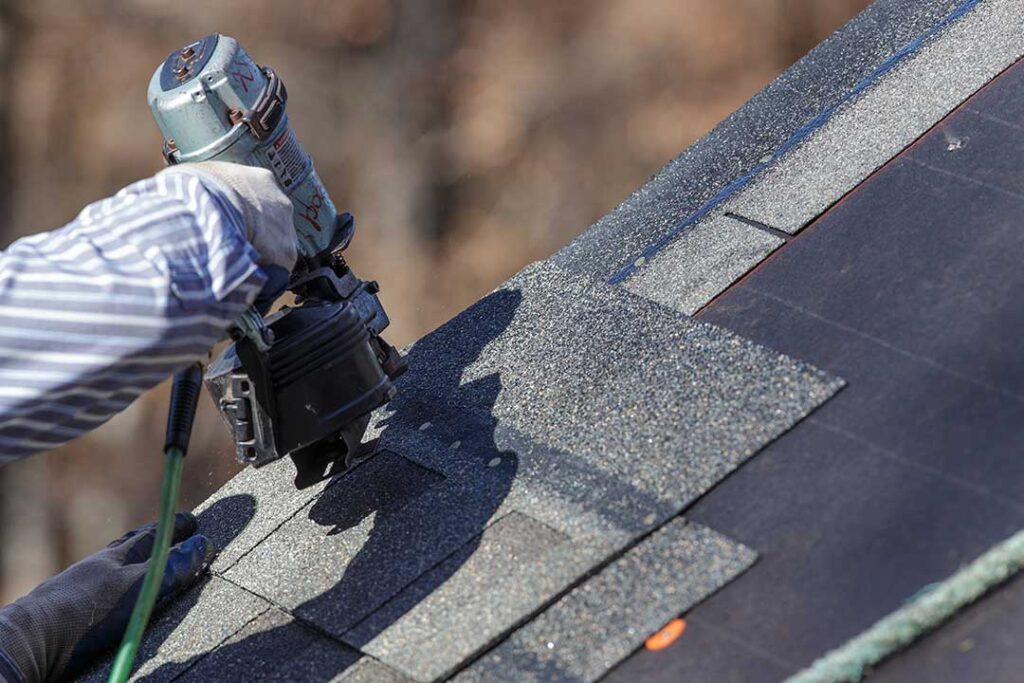
Roof flashing is the thin layer of metal or other water-resistant material installed around roof openings, edges, joints, and changes in direction. Its job is to guide water away from vulnerable areas so rain and melting snow do not seep into the roof structure.
For homes in Attica, NY, flashing matters because roofs regularly face freeze-thaw cycles, wind-driven rain, ice, and snow. Even when shingles appear to be in good condition, damaged or poorly installed flashing can allow water to enter through small gaps.
What does roof flashing do?
Roof flashing creates a water-shedding path at places where roofing materials cannot form a continuous, watertight surface. It is commonly installed around:
- Chimneys
- Plumbing vent pipes
- Skylights
- Roof valleys
- Wall intersections
- Dormers
- Roof edges
- Sidewalls and step-down areas
- Attached porches or lower roof sections
Shingles are designed to overlap and shed water across broad roof surfaces. They are less effective where the roof meets a vertical wall, pipe, masonry structure, or another roof plane. Flashing fills that gap and directs water onto the roofing surface or into a gutter system.
Why is flashing especially important in this area?
Seasonal weather places repeated stress on roof details. During winter, water can enter a small opening, freeze, expand, and make the opening larger. Later, melting snow may travel beneath shingles or behind flashing before appearing inside the home.
Wind-driven rain can also push water sideways beneath roofing materials. Heavy snow adds weight around roof penetrations and valleys, while ice buildup can create temporary dams that hold water against flashing.
These problems may not produce an immediate ceiling stain. Moisture can first affect roof decking, insulation, framing, or wall surfaces. By the time the interior damage becomes visible, the original flashing issue may have been present through several weather cycles.
What are the main types of roof flashing?
Different roof locations require different flashing designs. Using the wrong type, or installing the correct type incorrectly, can leave a weak point in the roofing system.
Step flashing
Step flashing consists of small pieces of metal installed in layers where a roof slope meets a wall. Each piece overlaps the one below it, creating a stepped path that carries water downward.
This is common around dormers, sidewalls, and sections where a roof meets the exterior wall of a home. Step flashing should generally be integrated with both the roofing material and the wall’s water-resistive layer.
Continuous or apron flashing
Continuous flashing is a longer strip used along a wall or roof edge. It helps protect the joint where a sloped roof meets a vertical surface.
Long pieces must be designed carefully because metal expands and contracts with temperature changes. Poorly planned joints can open over time.
Valley flashing
A roof valley collects water from two sloping roof sections. Some valleys rely on specially arranged roofing materials, while others include exposed or concealed metal flashing.
Because valleys handle concentrated water flow, leaves, pine needles, ice, and debris can create problems quickly. A small defect in a valley may affect a large area of the roof below it.
Chimney flashing
Chimney flashing usually includes several parts, including base flashing, counterflashing, and corner or saddle details. The vertical masonry surface must be protected without blocking the movement of water down the roof.
Mortar joints, sealants, and flashing materials can all deteriorate at different rates. A chimney may need attention even if the surrounding shingles look relatively new.
Plumbing vent flashing
A plumbing vent flashing unit seals the area where a pipe passes through the roof. It usually includes a metal or molded base that sits beneath or over roofing materials and a collar that fits around the pipe.
Common warning signs include a cracked rubber seal, rust around the base, loose flashing, or water stains near the bathroom ceiling.
How can a homeowner recognize flashing problems?
Interior water stains are one possible sign, but they are not the only one. Look for clues on both the roof and inside the home.
Possible exterior signs include:
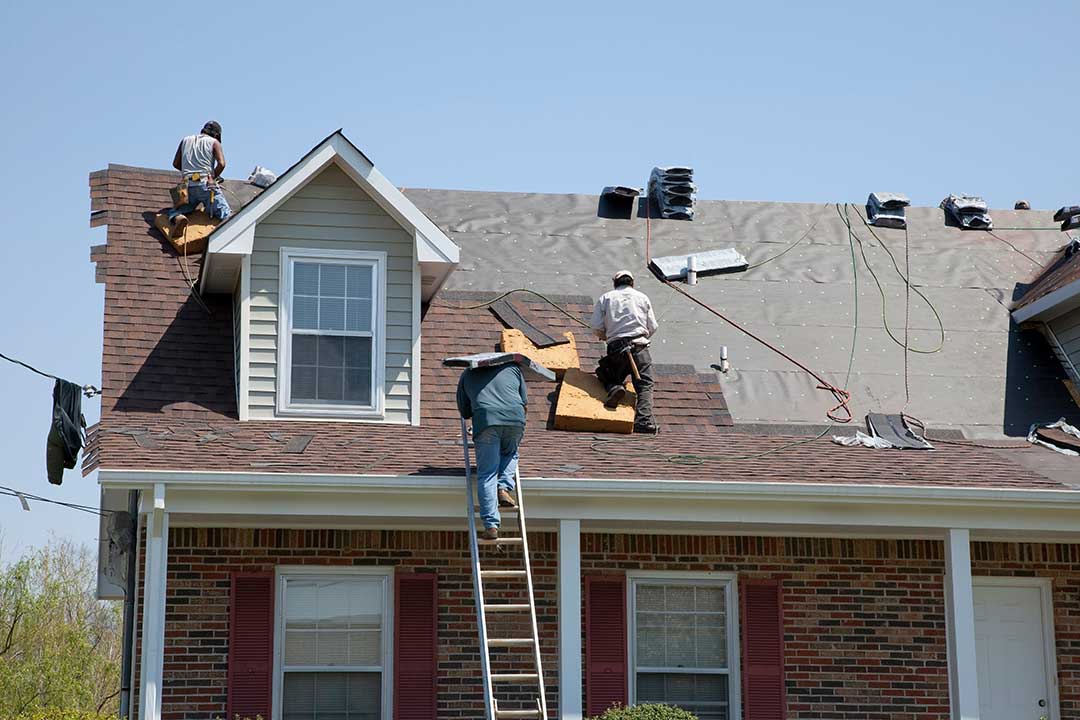
- Bent, loose, rusted, or missing metal
- Exposed fasteners
- Cracked sealant around pipes or wall joints
- Shingles lifting near a chimney or roof-wall intersection
- Gaps between flashing and masonry
- Damp leaves or dark streaks below a roof penetration
- Damaged material around valleys or lower roof sections
Inside the home, watch for yellow or brown ceiling stains, peeling paint, damp attic insulation, musty odors, soft wood, or moisture near chimneys and upper-floor walls.
A water stain does not always appear directly below the leak. Water can travel along rafters, roof decking, insulation, or wall framing before entering a room.
Does caulk permanently fix roof flashing?
Usually, no. Caulk and roofing sealant can help close a small surface gap, but they are not substitutes for properly formed and layered flashing.
Sealant can crack, shrink, separate from masonry, or lose its bond as temperatures change. Covering damaged flashing with more sealant may delay visible leakage without correcting the underlying water path.
A lasting repair may require replacing a section of flashing, rebuilding a roof-to-wall detail, resetting counterflashing, or removing nearby roofing materials so the layers can be installed in the correct order.
Can flashing be replaced without replacing the whole roof?
Often, yes. If the shingles and roof structure are otherwise serviceable, a localized flashing repair may be possible. The work may involve carefully removing nearby shingles, correcting the flashing, and reinstalling compatible roofing materials.
However, age and condition matter. Brittle shingles can break during removal, and widespread flashing deterioration may indicate that several roof details need review. A roof with repeated leaks near different penetrations may have a broader installation or aging problem rather than one isolated defect.
What should residents check after severe weather?
After strong wind, heavy rain, or a period of rapid snowmelt, a ground-level inspection can reveal some problems without creating a fall hazard. Check for pieces of metal, shingles, or pipe collars in the yard, and look from the ground for lifted materials near roof edges and chimneys.
In the attic, inspect for daylight, damp wood, wet insulation, or fresh water marks. Do not walk on a steep, wet, icy, or damaged roof. Roof surfaces can be hazardous even when damage appears minor.
Prompt attention is especially appropriate when water is actively entering, electrical fixtures are wet, ceiling materials are sagging, or structural wood appears weakened.
What makes flashing installation last?
Durable flashing depends on more than the metal itself. The design must account for water flow, material movement, overlapping layers, fastener placement, drainage, and the connection between the roof and wall systems.
Flashing should not trap water. It should direct water onto the next lower layer and ultimately away from the structure. It also needs to remain compatible with surrounding roofing materials and avoid relying entirely on exposed sealant.
For local homes, regular visual checks after winter and major storms can help identify small defects before moisture reaches the interior. Keeping valleys and drainage paths clear also reduces the amount of water and debris handled by roof flashing.
